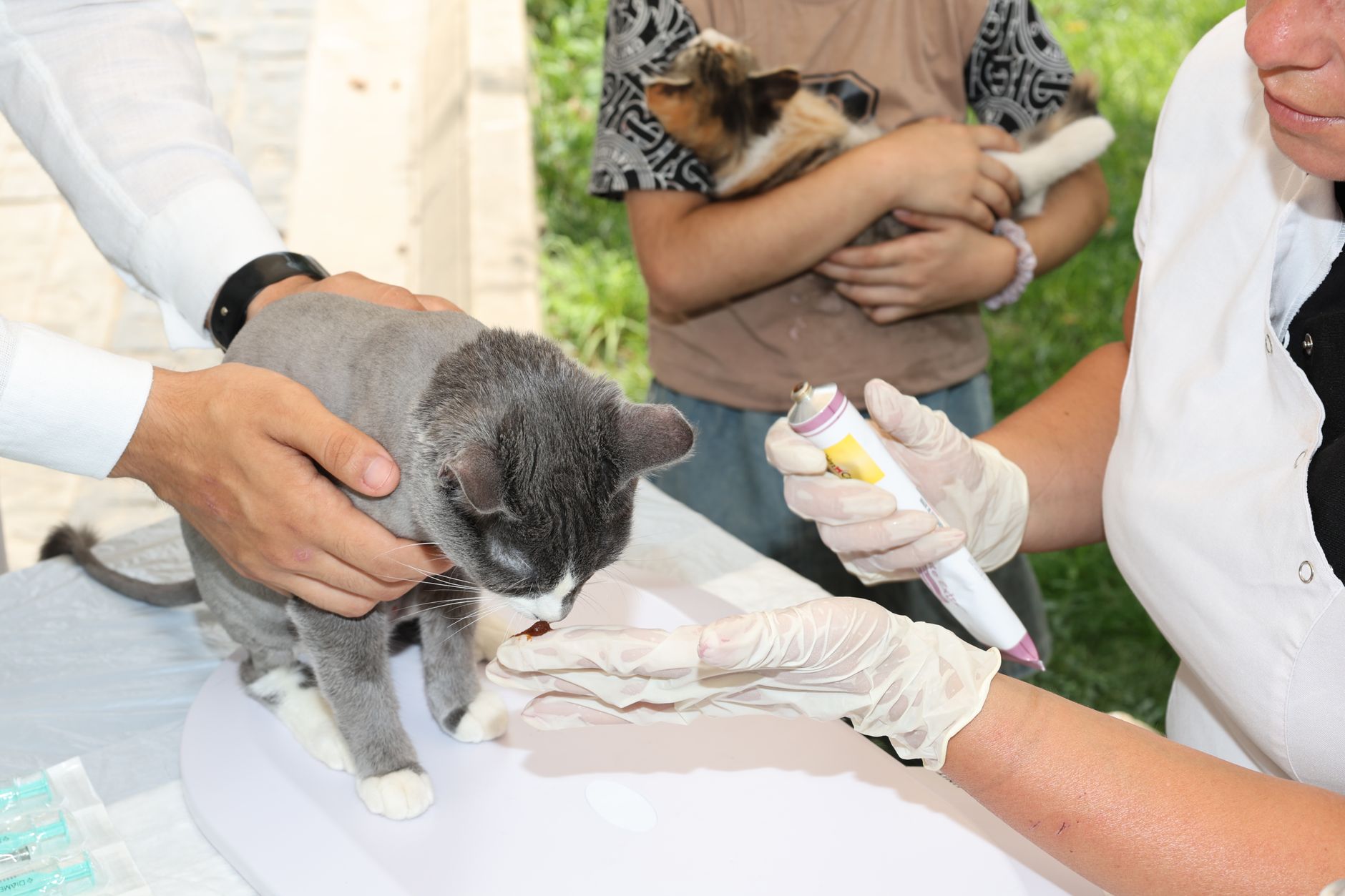
Have you ever stumbled upon a video or article that left you scratching your head about the price discrepancies between human and pet medications? Recently, a video highlighted a shocking similarity between a human allergy relief medication and its pet equivalent, with the pet version costing a whopping 500% more. This disparity isn’t just a fluke; it’s part of a larger conversation about pet medication pricing and consumer awareness. Let’s dive into why this happens and explore whether pet owners should take matters into their own hands by administering human medications following guidelines.
The Price Puzzle: Why the Hike?
When it comes to pet medications, the price hike can be attributed to a combination of factors. First, the development and approval process for medications is rigorous, and the cost of bringing a drug to market is high. Additionally, veterinary medications often come with specialized dosages and formulations that cater to the unique needs of pets, which can increase the cost. However, the most contentious issue is the markup applied by manufacturers, which can be substantial, especially when the active ingredient is identical to its human counterpart.
In Florida, where the climate can exacerbate allergies due to high pollen counts and humidity, pet owners often find themselves in a tight spot. The demand for allergy relief can be particularly high, and the allure of a quick fix can sometimes overshadow the sticker shock of pet medication prices.
Pet Owner Empowerment: Can We Take Control?
Many pet owners are left wondering why they can't simply administer the human version of the medication, given the similarities. While the active ingredient might be the same, there are crucial differences in dosage and form that can impact the safety and efficacy of the medication for your pet. The human dosage might not be appropriate for a pet's size or metabolism, and the form (e.g., chewable vs. tablet) can also play a role in how well the medication is absorbed.
Taking matters into your own hands by administering human medications based on guidelines can be risky. Pets are not simply small humans, and their physiological differences mean that a medication safe for a human might not be safe for a pet. This is particularly true for cats, who have unique liver enzymes that can make certain medications toxic.
Navigating the Complexities: Advice and Solutions
So, what can pet owners in Volusia County do? First, always consult with your local veterinarian before considering any medication, whether it’s the pet version or a human alternative. Florida’s climate and local pet care experts can offer tailored advice based on your pet's specific needs and the environmental factors that might be affecting them.
Second, consider exploring cost-effective alternatives. Many veterinary clinics in Volusia County offer generic options or discounts for regular customers. Additionally, some pharmacies might have human versions of the medication at a more affordable price, which your vet can help determine if they are safe and appropriate for your pet.
Conclusion: Empower Your Pet's Health with Knowledge
While the price discrepancies between human and pet medications can be frustrating, it’s important to prioritize the health and safety of your pet. Pet owners in Florida can take proactive steps by consulting with local vets, seeking out cost-effective solutions, and staying informed about the specific needs of their pets given the unique climate conditions.
If you have more questions or need personalized advice, head over to PetBlip.com and ask Blip. Our community is here to support you in making informed decisions for the health and wellness of your beloved pets.